
Mobile phone: 18815239758 (same as WeChat)
Phone: 0576-89881178
Phone: 0576-89825885


Booster pumps can be broadly classified into two types: electric booster pumps and pneumatic booster pumps. The editor will mainly explain the pneumatic booster pump. Pneumatic booster pump uses gas as a power source to drive the large piston and push the small piston to compress the pressurized medium, generating high pressure. Pneumatic booster pumps can be divided into four categories: pneumatic air booster pumps, pneumatic gas booster pumps, pneumatic liquid booster pumps, and pneumatic non-standard booster pumps. Below, the editor will briefly introduce several types of pneumatic booster pumps.
Pneumatic air booster pump: This type of booster pump is mainly used for boosting compressed air. Its structure is simple and easy to maintain, but its disadvantage is that it can affect the purity of other gases when boosting them. The boost range of the air booster pump is 0.2-80MPA, and its boost ratio determines the flow rate (the higher the boost ratio, the smaller the flow rate, and it can also be used in parallel to increase the flow rate).
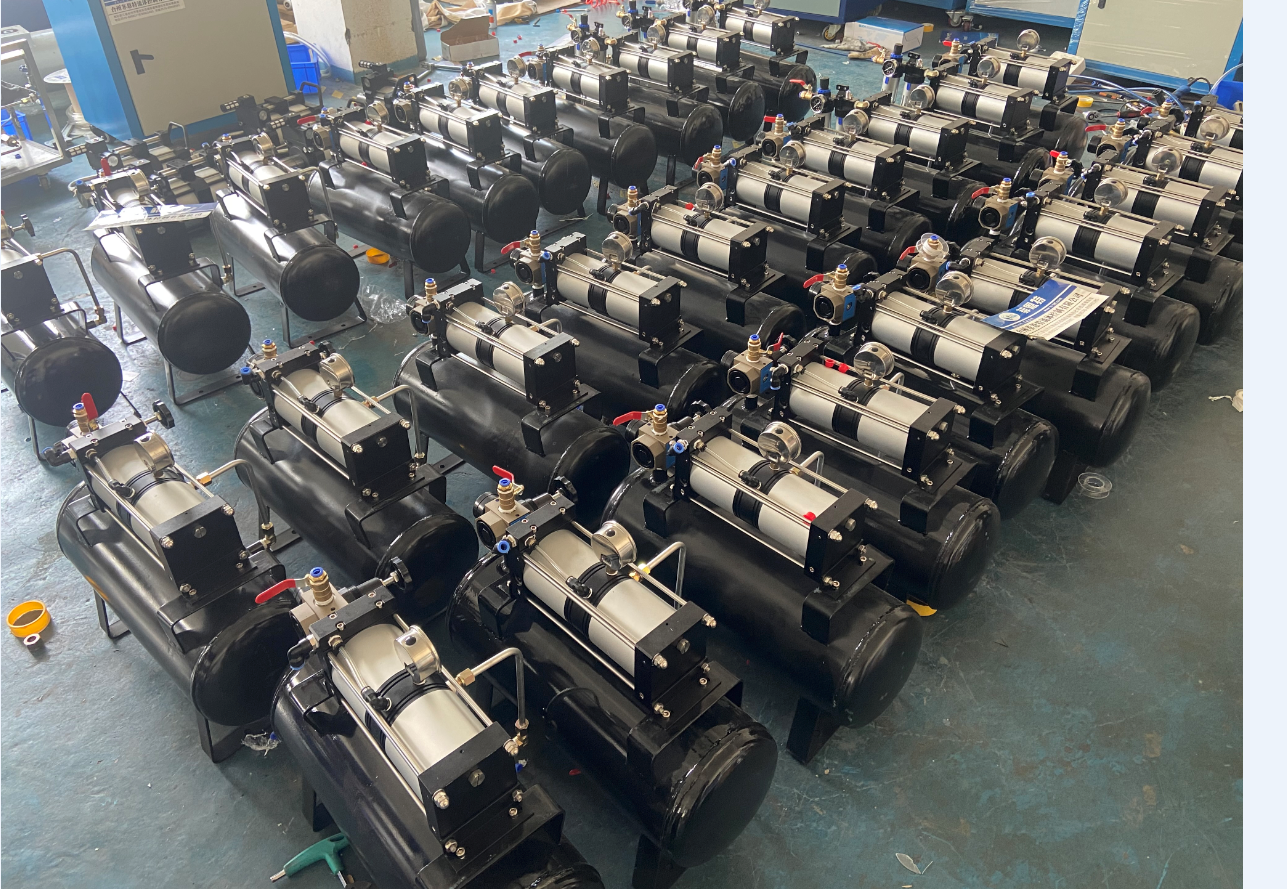
Pneumatic gas booster pump: This booster pump is mainly used for boosting various non corrosive gases (except for special gases), and its structure is relatively more complex than that of an air booster pump. The booster cylinder and the driving cylinder of the pneumatic booster pump are separate, and the driving gas and the pressurized gas will not affect each other, so the purity of its boosting medium can be maintained. Other functions are exactly the same as the air booster pump.
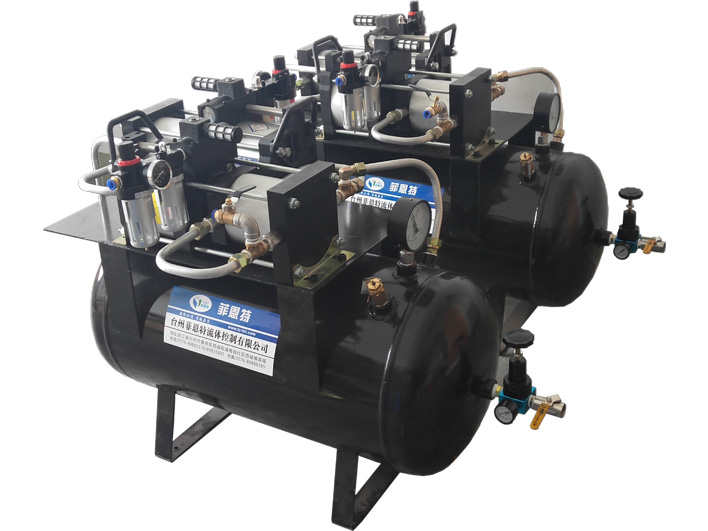
Pneumatic liquid booster pump: The structure of a liquid booster pump is different from that of a gas booster pump, with the main difference being that a gas booster pump belongs to a piston pump, while a liquid booster pump belongs to a plunger pump. The pressure range of the liquid booster pump is 0.2-640MPA, and other functions are similar.
Pneumatic non-standard booster pump: Pneumatic non-standard booster pump is mainly designed for special media or customer specific requirements (such as unstable media such as carbon dioxide, oxygen, hydrogen, etc., or customer requirements for flow limitation, special functions, etc.). The non-standard customized booster pump takes longer and has the same function.
The selection of pneumatic booster pump should be based on technical parameters, on-site conditions, on-site environment, and contact with sales engineers from Fuente manufacturer to prevent the wrong model from being selected. Why can some manufacturers use the same pneumatic booster pump with the same parameters while others cannot? This is influenced by environmental and on-site factors. Especially for high-pressure and non-standard booster pumps, it is necessary to coordinate with Fuente engineers to prevent errors.
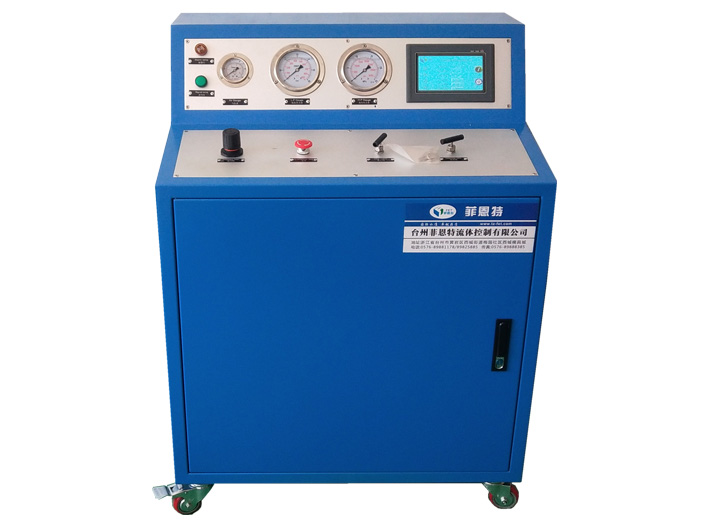 Air booster pump
