
Mobile phone: 18815239758 (same as WeChat)
Phone: 0576-89881178
Phone: 0576-89825885


With the increasing demand for renewable energy, hydrogen, as a clean energy carrier, has become increasingly widely used in various applications. Hydrogen booster pump, as an important energy equipment, plays a crucial role in the hydrogen energy industry chain. This article will provide a detailed introduction to the importance and application value of hydrogen booster pumps from the aspects of working principle, construction principle, usage precautions, application scenarios, and future prospects.
1、 Working principle
The main function of a hydrogen booster pump is to convert low-pressure hydrogen gas into high-pressure hydrogen gas through compression, pressurization, and other methods to meet the requirements of transportation, storage, and subsequent use. Its working principle can be simply summarized as the following steps:
1. Inhalation: The hydrogen booster pump first inhales low-pressure hydrogen gas from the hydrogen storage tank.
2. Compression: The low-pressure hydrogen gas sucked in is compressed in the booster pump to increase its pressure to the desired level.
3. Output: Compressed high-pressure hydrogen gas is discharged through the pump body outlet and can be directly used for transportation or storage.
2、 Construction principle
The structure of a hydrogen booster pump mainly includes the following parts:
1. Pump body: The pump body is the core component of a hydrogen booster pump, used to accommodate low-pressure hydrogen gas and compressed high-pressure hydrogen gas. The pump body is usually made of alloy materials that are resistant to high pressure and corrosion.
2. Impeller: The impeller is a key component of a hydrogen booster pump, used to compress low-pressure hydrogen gas. The impeller is usually made of high-strength and wear-resistant alloy materials.
3. Conduit: Conduit is used to guide low-pressure hydrogen gas into the impeller and guide compressed high-pressure hydrogen gas to be discharged from the pump body outlet. Conduits are usually made of stainless steel materials that are resistant to high pressure and corrosion.
3、 Precautions for use
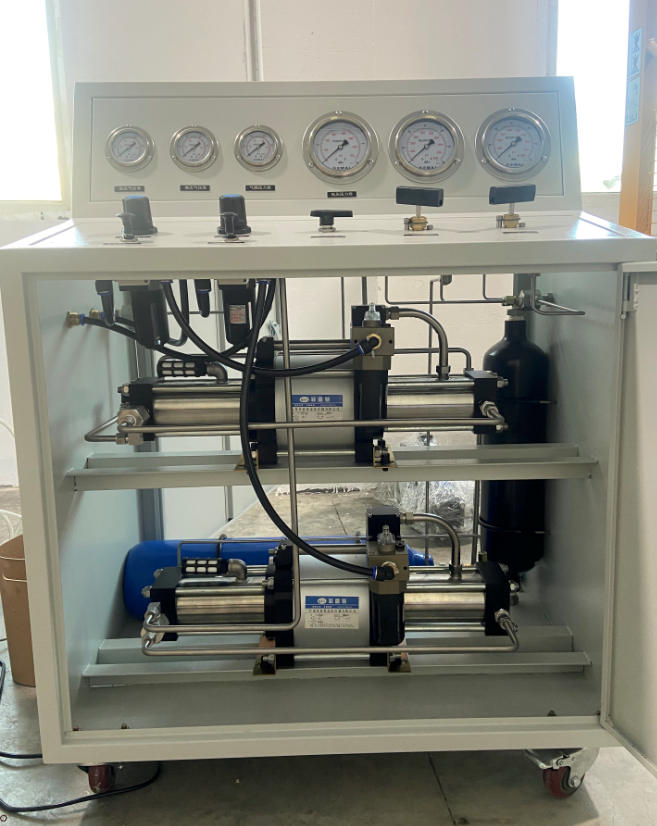
When using a hydrogen booster pump, the following points should be noted:
1. Safety: When using a hydrogen booster pump, ensure that the equipment is reliable, follow relevant operating procedures, and prevent accidents such as leaks and explosions.
2. Hydrogen purity: To ensure the normal operation of the booster pump, the input low-pressure hydrogen should maintain a certain purity, generally not less than 95%.
3. Pressure regulation: When adjusting the outlet pressure of the booster pump, it should be adjusted according to actual needs to avoid excessive or insufficient pressure.
4. Regular maintenance: To ensure the normal operation of the hydrogen booster pump, regular equipment inspections and maintenance should be carried out, such as replacing vulnerable parts such as seals and bearings.
4、 Application scenarios
Hydrogen booster pumps are widely used in the following fields:
1. Energy delivery: Hydrogen booster pumps can be used to deliver high-pressure hydrogen gas to hydrogen refueling stations, fuel cell power stations, and other places to meet energy demand.
2. Storage: The hydrogen booster pump can pressurize low-pressure hydrogen and store it for release and use when needed.
3. Hydrogen refueling station: Hydrogen booster pumps can be used in hydrogen refueling stations to boost low-pressure hydrogen gas to a specified pressure to meet energy needs such as automobiles and aircraft.
4. Industrial production: Hydrogen booster pumps can be used in industrial production processes, such as chemical reactions, manufacturing and processing, to provide high-pressure hydrogen supply.
5、 Future prospects
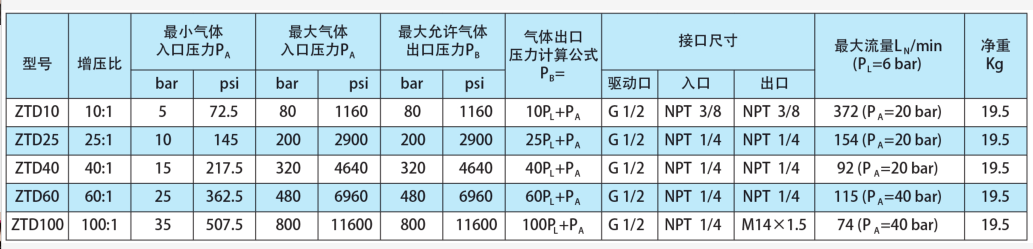 Pneumatic hydrogen booster pump
With the continuous development of hydrogen energy technology and the expansion of application fields, the market demand for hydrogen booster pumps will continue to grow. In the future, hydrogen booster pumps will make progress in the following areas:
Energy efficiency improvement: Through technological upgrades and optimized design, the energy efficiency and operational stability of hydrogen booster pumps are improved, reducing equipment energy consumption and maintenance costs.
Environmental performance: Further optimize material selection and manufacturing processes, improve the environmental performance of equipment, and reduce the impact on the environment.
Intelligent control: Introducing intelligent control technology to achieve remote monitoring, fault warning, and automatic adjustment of hydrogen booster pumps, improving the intelligence and operational efficiency of the equipment.
Application expansion: With the popularization of renewable energy and the rapid development of the hydrogen energy industry, hydrogen booster pumps will be applied in more fields, such as power, aerospace and other high-energy industries. In addition, with the continuous expansion of the hydrogen fuel cell vehicle market and the increasing demand for hydrogen refueling station construction, the application of hydrogen booster pumps in the transportation field will also be further expanded.
Reliability: Pay attention to the performance and reliability of the hydrogen booster pump, strengthen research and application in the firm design, material selection, and manufacturing process of the equipment, and ensure the integrity and reliability of the equipment during use.
In short, as one of the key devices driving future energy transformation, hydrogen booster pumps will play an increasingly important role in the field of renewable energy. With the continuous advancement of technology and the expansion of application scenarios, the development prospects of hydrogen booster pumps will become even broader, making important contributions to promoting the global energy green and low-carbon transformation.
