Mobile phone: 18815239758 (same as WeChat)
Phone: 0576-89881178
Phone: 0576-89825885


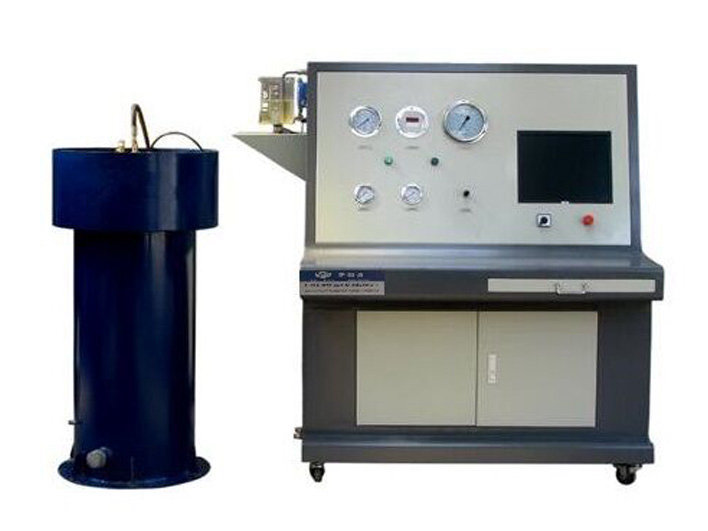
The pressure test generally involves slowly increasing the pressure of the inert gas nitrogen to the required pressure point for the airtightness test, then turning off the gas source and timing it according to the industry pressure holding time. After the time is up, check whether the pressure drops below the industry regulations. If it is below, it is qualified, and if it is below, it is unqualified.
Generally, clean water, hydraulic oil, lotion, etc. are used as the detection medium for hydrostatic test. The test pressure shall be 1.25 times the design pressure (but not less than 0.6MPa). After slowly increasing the pressure to the test pressure, the pressure shall be stabilized according to industry regulations, and then the test pressure shall be reduced to the design pressure. The pressure stabilization shall be carried out according to industry regulations for a certain period of time. If there is no pressure drop or leakage, it is considered qualified.
The blasting test involves slowly increasing the pressure after the hydrostatic test is completed until the test piece is blasted. The blasting test must be protected by protective devices. The peak pressure gauge at the moment of blasting records the blasting peak value, which is considered qualified if it is more than 1.4 times the operating pressure. The air pressure test and water pressure test are generally full inspections, while the blasting test is spot checks.